If you’ve been following the tale of Tesla for the past few months, or really even the last couple of years, you’ll observe that the company has a very interesting relationship with finances. Basically, it is, and usually has been, supported almost entirely by investment.
That’s because, despite each round of funding (mostly through selling stock and convertible bonds) yielding a healthy amount back into the California EV maker’s coffers, the company tends to consistently and quite quickly run out of it. Bloomberg’s done some numbers, and the situation it’s piece paints is one that’s quite dire. So much so that it predicts that, at the current burn rate, they might not have enough to last until the end of the financial year.
Their estimates peg it as roughly 6,500 US Dollars a minute, after accounting for the amount of liquid value the company generates separate for capital expenditures. That trend of negative free cash flow has been so for five consecutive quarters. And market sentiment isn’t helped by CEO Elon Musk’s recent quip in jest about bankruptcy on Twitter.
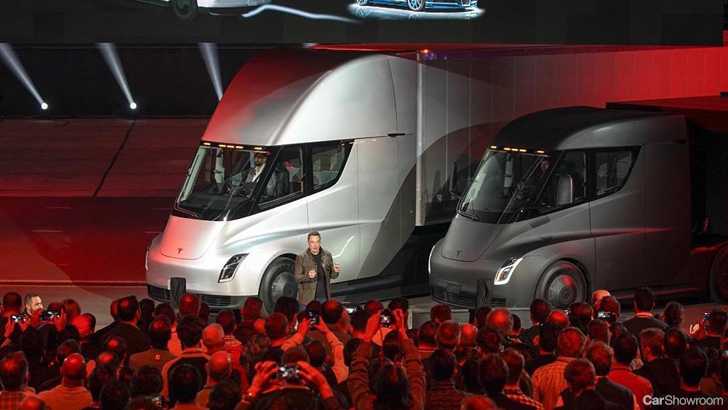
Tesla’s recent growth to support the large scale production of their Model 3 and aggressive plans to expand their line-up to include a semi truck and a new Roadster EV sports car have meant it now employs a 40,000-strong workforce, many of whom are high profile professionals poached from top automakers. Wind the clock for contrast and in 2010, when the company went public with a $225 million IPO, they had less a 1,000 employees.
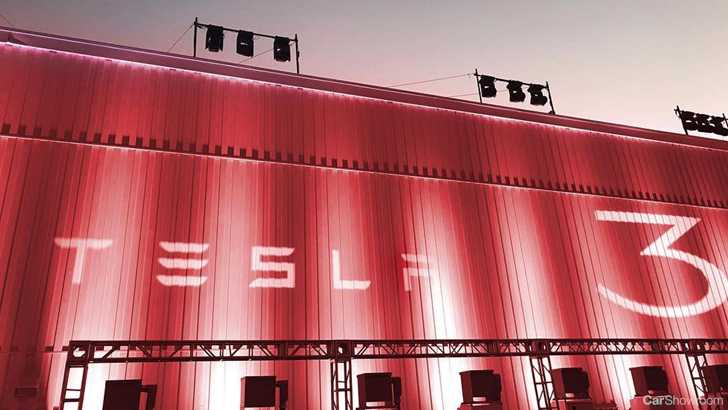
One analysis of Tesla’s debt situation states that Tesla would need an additional $2 billion US Dollars this year to stay afloat, noting also that their 1.2 billion of existing debt would be due by 2019.
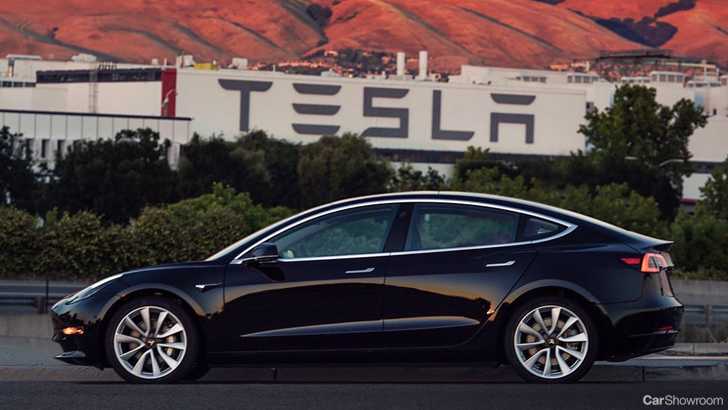
Much of the company’s financial woes can be attributed to the Model 3, or rather the ambitious automated production plans that were announced alongside it. So far, the car has faced several delays and has not yet reached the output targets set by the company following its planned manufacturing at a new Gigafactory plant in Nevada.
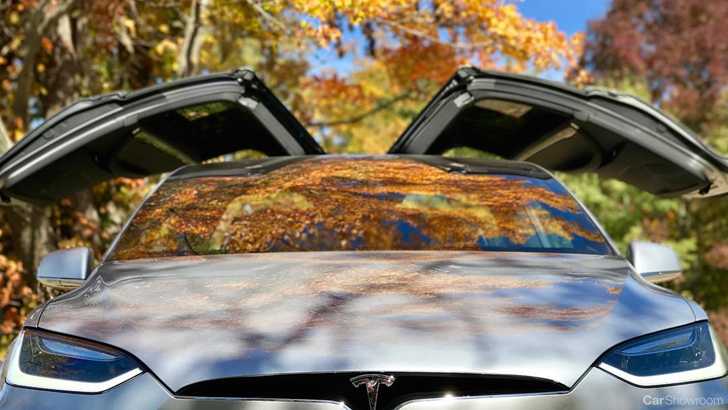
Musk has said that Tesla would expect to reach positive operating cash flow once it was able to produce 5,000 units per day, a high water mark they have yet to reach. For now the Model 3’s production, currently centred around its factory in Fremont in California, has been temporarily put on hold to remedy operations issues that have so far hampered production volume.
Hopefully, Tesla will overcome these setbacks surrounding the Model 3, as it had when a not too dissimilar situation plagued the early stages of the Model S and Model X’s life. The question remains if the company can keep its head above water until that happens.
For more on Tesla cars, check out our Showroom.