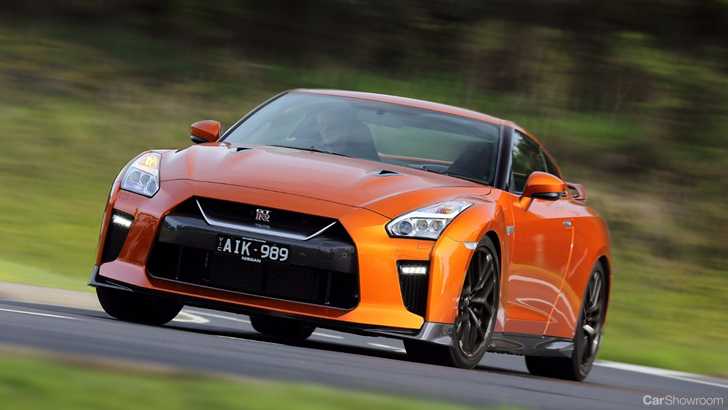
Nissan has launched the 2017 GT-R for sale in Australia, bringing the newly updated R35 generation of the Japanese supercar killer Down Under. The 2017 model year car actually brought the most significant amount of changes to the car since it was introduced in 2007.
Prices start at $189,000 for the Premium Edition, but for those wanting more comfort in your 419kW super coupe, the Premium Edition with Luxury Trim can be had for an extra $6,000. Finally there’s the raciest of the range, the Track Edition, which has a list price $227,000.
We’ve covered the international launch of the 2017 GT-R before, but the headliners surround Nissan quashing some of the most widely criticised aspects of the car: its reduced NVH levels, everyday usability, and overall refinement.


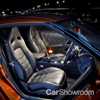
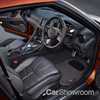
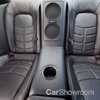
It’s now a more civilised and, dare I say, more comfortable car than ever before, masking the significant year-on-year performance improvements that also follow the GT-R into 2017. The cabin is now draped in high quality leather and soft touch material (Nappa leather in the Luxury Trim) and the dash layout has changed slightly to be more ergonomic.
In addition, there’s also more comfortable seats with added padding, more sound insulation throughout, a softer ride in the Normal or Comfort drive settings, a redesigned navigation system with larger 8-inch multi-function touch panel display, and new larger paddle shifters that are now mounted on the steering wheel instead of the steering column.
There’s even an Active Noise Cancellation system that identifies and reduces unwanted low-frequency sounds by using strategically placed microphones within the cabin and using a sound wave at the same amplitude through noise cancellation speakers to mask unwanted sounds.


On the outside, you might not notice the changes over the outgoing 2016 car and the classic R35 GT-R silhouette is still very much alive. Closer inspection, however, reveals that a lot has actually been altered. All for the sake of aerodynamic efficiency. There’s a redesigned bonnet, bumper and grille with repositioned daytime running lights. Towards the rear of the car there’s a thicker C-pillar, new diffuser, quad titanium tailpipes, and a more pronounced rear bumper for a wider and more aggressive look.
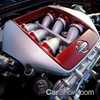
Back at the front, the twin-turbo 3.8-litre VR38DETT V6 engine returns but develops 15kW more than the outgoing car for the aforementioned 419kW as well as 633Nm of torque. It transmits power through a transaxle six-speed dual-clutch transmission to all-four wheels using Nissan’s advanced ATTESA E-TS all-wheel drive system.
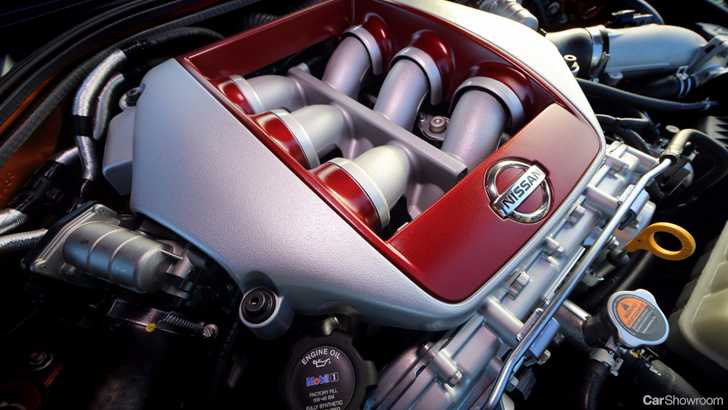
Nissan still has not disclosed 0-100km/h times since the unveiling at the 2016 New York Motor Show, but seeing as how the outgoing iteration could dispatch the century sprint in just 2.8 seconds, we’re beginning to question if its worth pursuing that extra tenth before we call it ‘bloody quick enough’.
As we’ve said in the initial report: ‘Nissan has made the GT-R an even more potent speed monster, while at the same time giving it a more civilised personality. It’s Godzilla, but it now has a pair of loafers and a dinner jacket.’
For more on Nissan vehicles, including pricing and specifications, check out our Showroom.