For the 2013 model year, Jaguar has announced two new petrol engines – a supercharged 3.0-litre V6 and turbocharged 2.0-litre four-cylinder.
Interestingly, the supercharged V6 (replacing the naturally-aspirated V8) will be available in two versions – a 280kW/460Nm model for the upcoming Jaguar F-TYPE sports car and a 250kW/450Nm alternative for XF and XJ models. The supercharged V6 will be available with Jaguar’s fuel-saving Intelligent Start/Stop system.
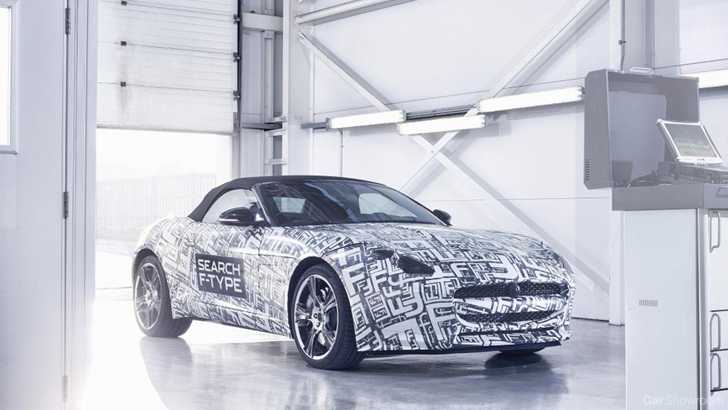
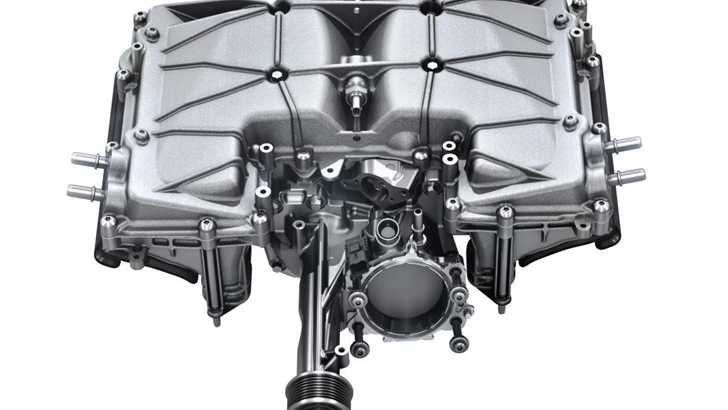
Jaguar engineered the supercharged V6 on the back of its superb supercharged 5.0-litre V8 used in the XKR-S sports car – the two share technologies like all-alloy construction, variable valve timing and direct injection. The Roots type turbocharger is mounted in ‘V’ between the cylinder blocks and differs from the V8 with new Bosch engine management technology which provides fuel consumption reductions up to 20 per-cent.
With 93kW per-litre the 280kW version of the supercharged V6 has the greatest specific power output of any Jaguar engine in history.
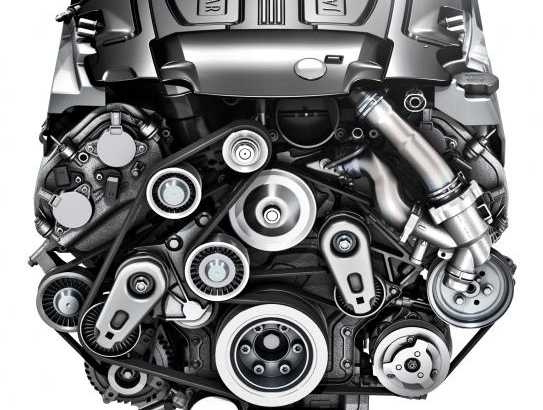
The turbocharged 2.0-litre, four-cylinder engine will replace Jaguar current naturally aspirated 3.0-litre V6 engine – the newcomer is tagged I4 Ti 240 and delivers 177kW/340Nm. So the turbocharged four-cylinder engine not only outperforms the V6, it returns four-cylinder fuel consumption – in fact its 340Nm exceed the output of Jaguar’s naturally-aspirated 3.2-litre V8 from just 10 years ago. Persuade
Of course this engine is fitted to the Land Rover Evoque and has been re-engineered for ‘north-south’ installation in the rear-drive Jaguar layout. Tipping the scales at 138kgs, it is the lightest engine ever fitted to a Jaguar.
Both engines will drive through Jaguar’s new eight-speed automatic transmission (introduced this year).


